
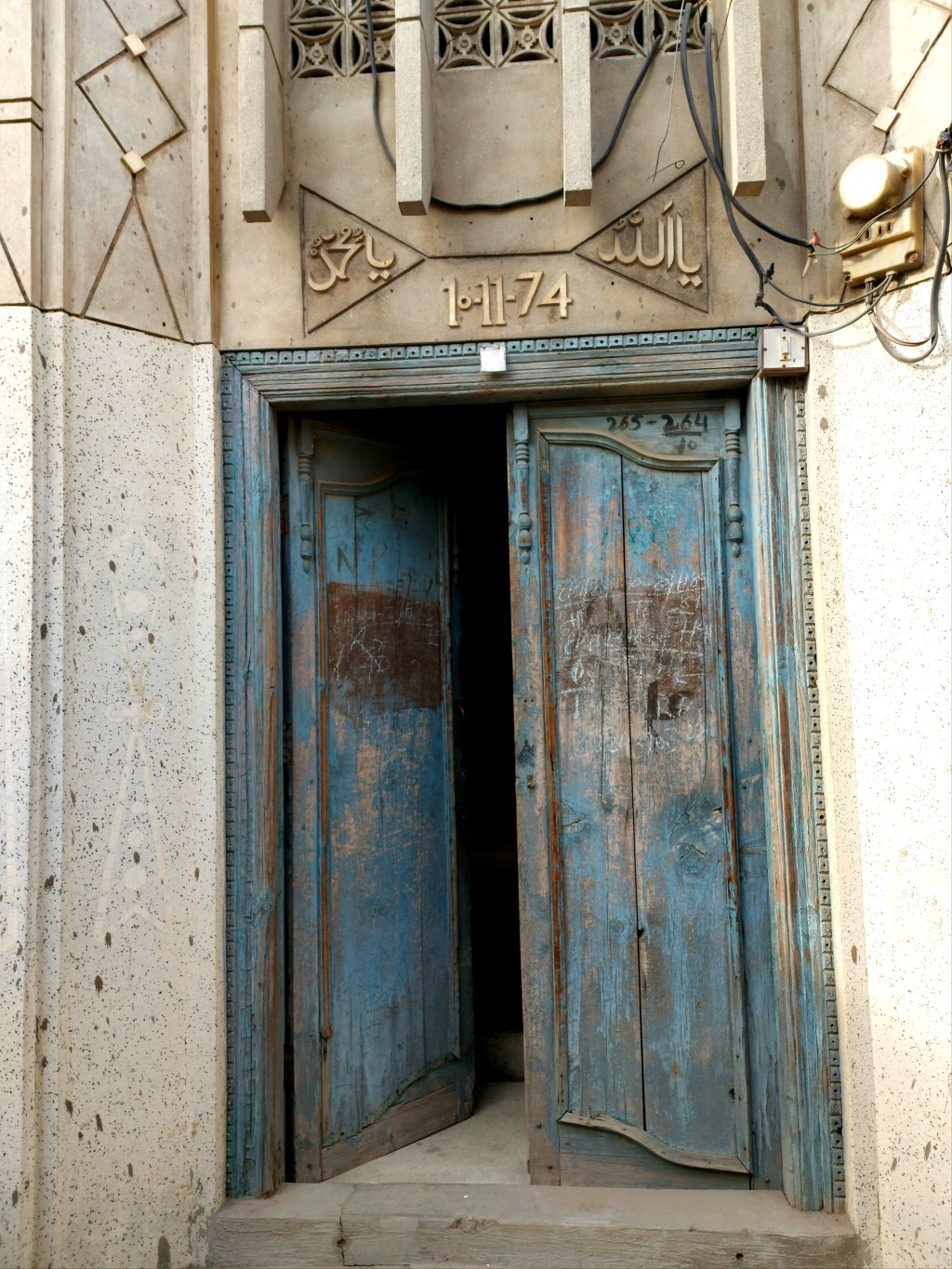
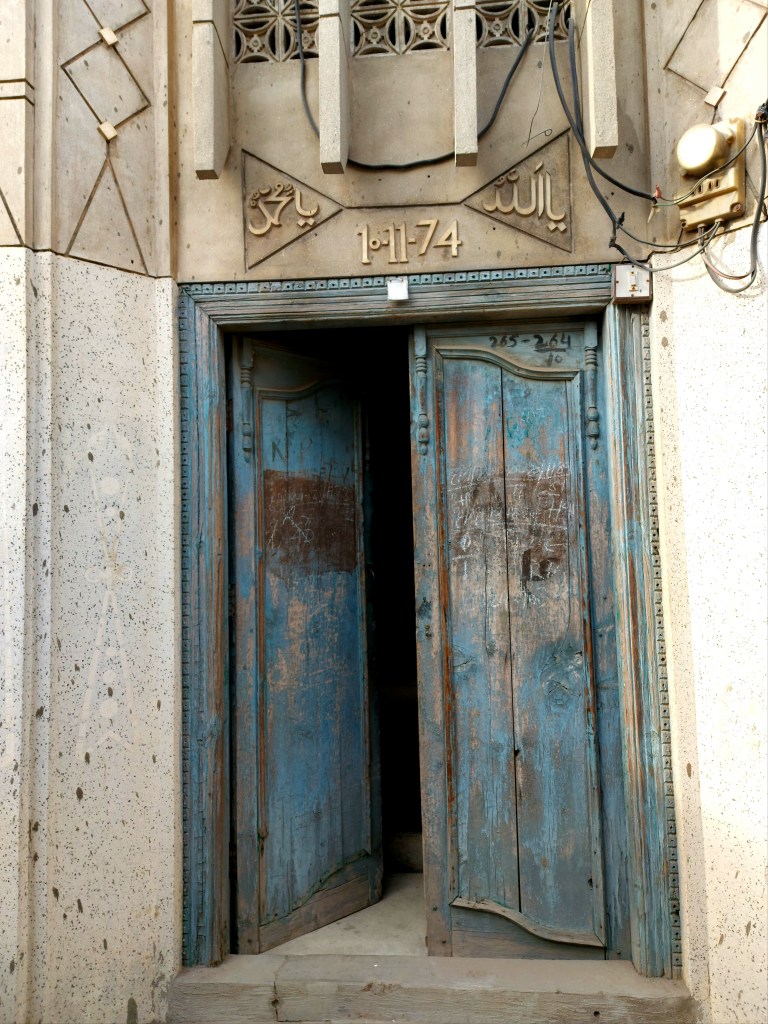
I have said before, and perhaps many times, that education was the only opportunity available to me. It was the one door left open when so many others were narrowed by gender, circumstance and the boundaries of what a girl was permitted to imagine for herself.
Today, however, I do not write merely about walking through that door. I write to honour those who opened it, held it open and believed that I belonged on the other side.
Before I entered a classroom, my parents were already my teachers. They homeschooled me through my earliest years with such care that when I eventually entered school at the age of five, I was assessed as working at the level of a seven-year-old and was allowed to skip grades. My education, then, did not begin with an institution. It began at home, in the labour, imagination and hope of two people who believed that learning could alter the course of a life.
When I think about the beginning of my education, two images return to me with particular force. In the first, my mother is sewing my school uniform. In the second, my father is carrying me to school through a heavy downpour.
At the time, neither scene would have appeared extraordinary. One belonged to the ‘ordinary‘ labour of a mother preparing her daughter for school. The other belonged to the ‘ordinary‘ determination of a father ensuring that his child arrived there.
Yet memory changes the scale of ordinary things.
Looking back now, I understand that these were not merely ‘ordinary‘ moments. They were acts through which a future was being imagined, prepared and protected.
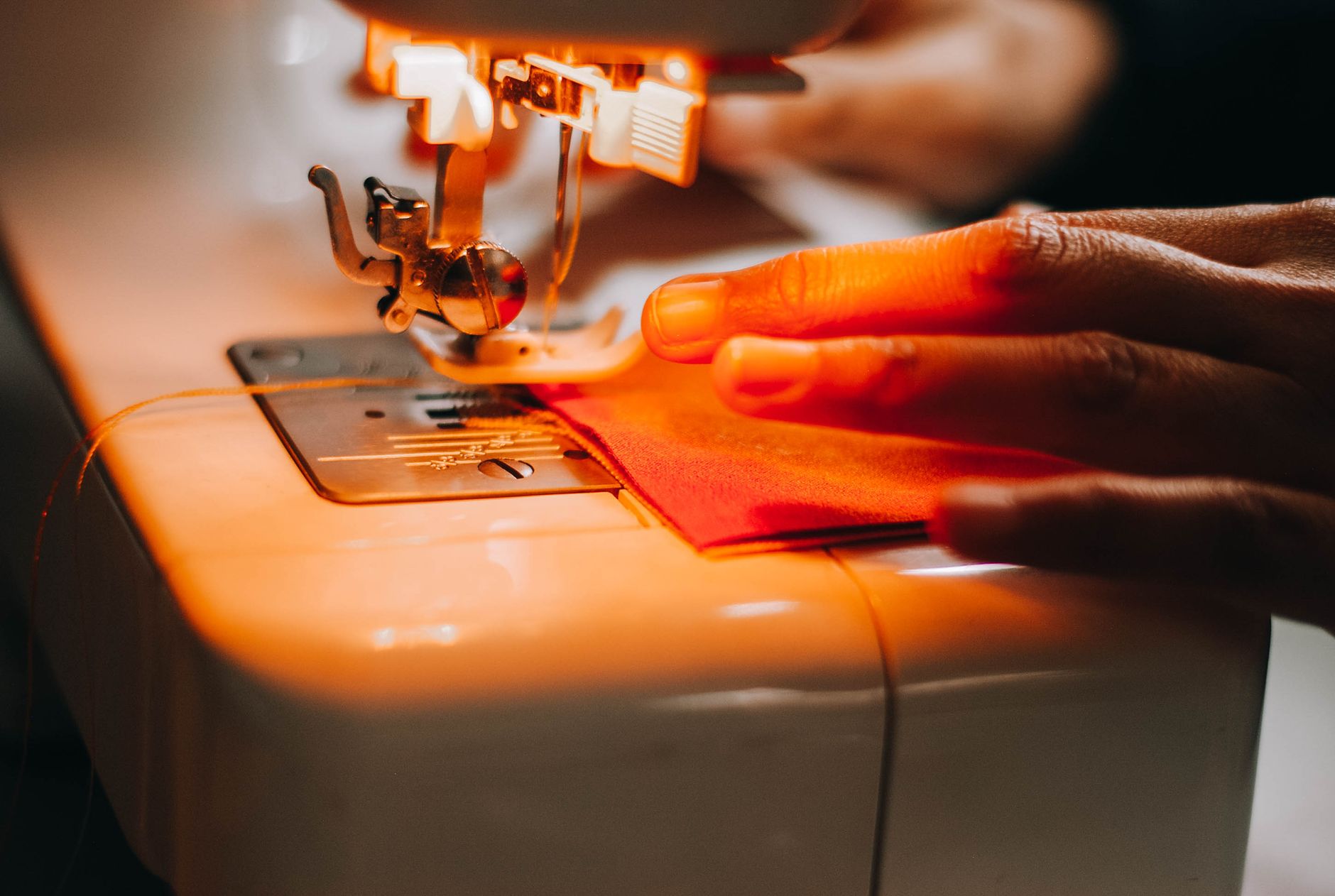
I see my mother sitting with pieces of fabric before her, measuring, cutting, folding and guiding them carefully beneath the needle. She was making a uniform, but she was also making a possibility.
A school uniform is designed to make children appear alike. It gives them a shared institutional identity. Yet the uniform my mother sewed carried something deeply personal within it. Her labour, her hopes and perhaps even the unfinished possibilities of her own life were stitched into its seams.
I cannot know every thought that passed through her mind as she worked. I do know that she wanted me to study.
I see her sewing my first school uniform. In that image, I do not see her merely joining pieces of fabric. I see her sewing dreams into every seam. Dreams she may not have had the opportunity to pursue herself, but which she quietly stitched into the future of her daughter.
I distinctly remember she sewed sixteen plaits on my shirt and told me that I must study “sixteen classes”. Perhaps that was the highest qualification she knew how to name at the time. Within those sixteen classes, however, lived an aspiration far larger than the number itself. Perhaps she was imagining distances and asking me to travel as far as education could carry me beyond what dreams could hold and beyond the limits that had shaped the lives of many women around her.
In sewing my uniform, she was not simply preparing me to attend school. She was making me ready to enter another world.
There is a politics in such care.
Care is often described as tenderness, affection and emotional presence. It is all of these things, but it is also labour. It is repetitive, material and frequently invisible. It takes place in kitchens, bedrooms, courtyards and quiet corners of homes. It is performed through food prepared, clothes washed, books covered, hair braided and uniforms stitched.
Because this labour takes place within the domestic sphere, it is easily treated as natural rather than political. It becomes something mothers are simply expected to do.
Yet this apparently ordinary labour often creates the conditions from which extraordinary lives become possible.
My mother’s sewing did not merely cover my body. It prepared that body to enter a public institution. Her work within the home enabled my movement beyond it.
Each stitch joined more than fabric. It joined the intimate world of maternal care to the larger world of educational possibility.
If my mother prepared me to enter that world, my father carried me towards it.
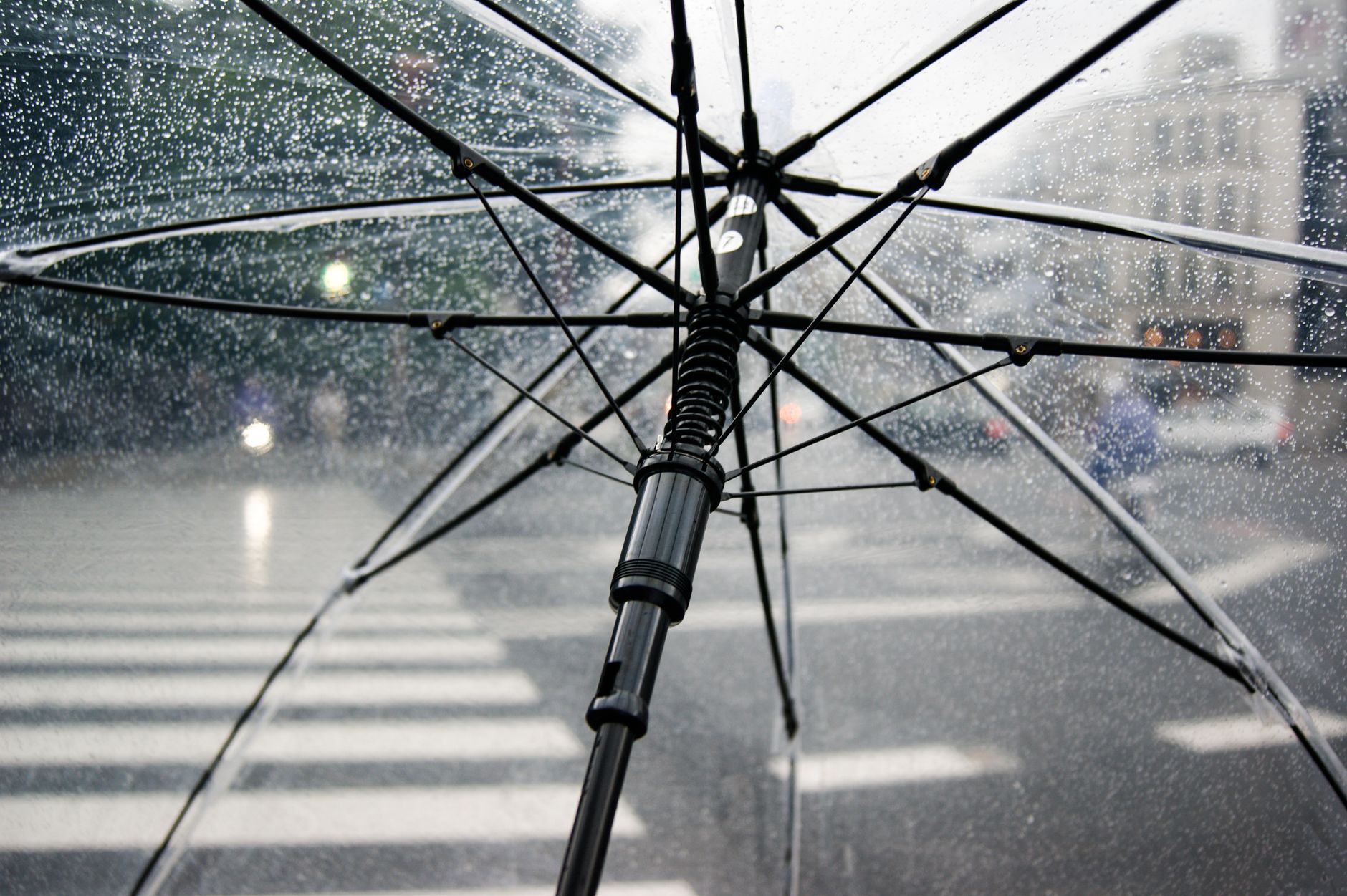
I see my father, carrying me to school during a heavy downpour. He held me in one arm, my schoolbag in the other, while trying to balance a large umbrella over us. He stepped carefully through deep puddles and fast-moving rainwater that, to my childhood eyes, appeared almost like ravines cutting across the road. I feel him walking carefully into and out of the water, watching the ground beneath his feet while keeping me above it.
I was being carried, but so was everything my parents had invested in my education. My books, my uniform, their hopes and the unnamed future towards which we were moving were all travelling through that rain.
A neighbour called out that he had kept all his children home that day. There was no reason, he suggested, to go through so much trouble.
“Our children are not going to do PhDs,” he said.
My father smiled and replied, “Yours might not, but mine will.”
I do not know whether my father intended those words as prophecy. Perhaps it was simply a light-hearted comment or the confident response of a father unwilling to let another person dismiss the value of his effort.
Yet words sometimes travel much further than the moment in which they are spoken.
My father named a future that I could not yet imagine for myself.
Whenever I visit this memory, I try to imagine what he was thinking when he said that. I would never know that because he is no longer in this world to complete my unfinished thoughts. If only…
At that age, I did not even know what a PhD was. I could not understand the distance between the flooded street beneath us and the doctorate that waited decades ahead. I knew only that my father was carrying me and that, within the shelter of his arms, the road to school remained possible.
Years later, when my doctorate was conferred, I returned to that scene.
I saw him again, stepping through the rainwater.
I realised that he had carried more than his daughter that day. He had carried an idea of who she might become.
These two memories have become inseparable in my mind.
My mother sewed the dream into my uniform.
My father carried that dream through the rain.
While one is quiet and almost invisible, the other moment entered the public street and answered the voice of a neighbour.
Together, they reveal something the politics of opportunity.
Opportunities do not simply appear. Doors do not open themselves. Behind every opportunity, there are often visible and invisible forms of labour. Someone prepares the clothes. Someone packs the bag. Someone pays the fees. Someone walks through the rain. Someone continues to believe when the person whose future is at stake cannot yet see what lies ahead.
This is why personal success is never entirely personal.
The language of individual achievement often hides the networks of care that make achievement possible. Degrees bear one person’s name. Certificates recognise one person’s accomplishment. Professional titles attach themselves to one life.
Yet every such life has been sustained by others.
The politics of an open door is therefore not only about whether an opportunity formally exists. It is also about who has the support, protection and resources required to reach it.
A school may be open, but can a child cross the flooded road?
Education may be declared a right, but who has prepared the uniform?
A pathway may exist, but who has been taught to believe that it belongs to them?
For girls growing up within patriarchal societies, these questions become especially significant. The right to education may exist in law, while everyday life continues to place conditions upon movement, subject choices, safety, respectability and ambition.
Within such contexts, parental support becomes more than private encouragement. It can become a form of resistance.
Looking back now, I understand my father’s role with a depth I could not have possessed as a child. His belief in me was not simply paternal affection. In a society where fathers often possessed the authority to limit their daughters’ lives, he repeatedly used that authority to widen mine.
This does not mean that my life was free from restrictions. The range of subjects, careers and futures available to me was still shaped by familial and social expectations. Gender, safety, tradition and respectability remained present within the architecture of possibility.
The door was open, but the corridor beyond it was not always wide.
Still, my parents refused to let it close. And for that I will be eternally grateful.

Life did not thereafter become a straight road. The door of education did not open once and remain permanently unobstructed.
Life is rarely such clean architecture.
It is often a labyrinth, filled with passages that appear promising and then narrow. At times, it becomes a vortex, drawing us repeatedly towards the same questions. Who is permitted to move forward? Who must wait? Who is made to feel grateful merely for being allowed to enter?
As I moved through education and later into educational leadership, I came to see these questions not only in my own life but within institutions and systems. I encountered the ways in which opportunities are distributed unevenly, how some voices are recognised while others remain unheard, and how systems can speak of equity while continuing to reproduce exclusion.
Those encounters eventually led me towards research and towards the PhD my father had named decades earlier in that downpour.
I came to research carrying questions gathered across a lifetime. I wanted to understand what had been left unopened, buried, hidden, dismissed or forgotten. I wanted to make visible the conditions through which some lives are pushed so far towards the margins that returning to the centre becomes almost impossible.
At the heart of these questions remains a dream of an education system that is inclusive, just and equitable.
Perhaps it is a utopian dream.
Perhaps justice always appears utopian when viewed from within systems that have learned to live comfortably with exclusion.
But to be human is also to be hope-full as John would call it.
Hope is not a refusal to recognise the world as it is. It is the decision not to accept that the world must always remain as it is.
I was taught that hope is not merely an emotion. It is an act.
Sometimes hope sits beside a sewing machine and guides fabric beneath a needle.
Sometimes hope steps into flooded streets, holding a child in one arm and her schoolbag in the other.
Sometimes hope speaks aloud a future that has not yet become imaginable.
My mother did not simply sew a school uniform. She clothed me in possibility.
My father did not simply carry me through the rain. He carried me across the distance between the life available to me and the life he might have believed I would claim one day.
Together, they made education more than an opportunity.
They made it an inheritance of hope.
They passed on the responsibility not simply to celebrate the door through which I was able to pass, but to recognise the labour that kept it open.
To carry forward the light they gave me.
To question the structures that leave others standing outside.
And to work towards a world in which no child’s future depends upon whether someone is powerful enough, loving enough or brave enough to carry them through the rain.
Seems impossible to reach, but it is possible…



Leave a Reply