
Tag: embedded-histories
-

When Presence Does Not Quite Count. On the Politics of Grievability and Unequal Lives (Part II)
If we manage our pain too successfully, others may never have to see it. This reflection turns to that everyday forms of diminishment that shape women’s lives: when vulnerability must be disguised as composure, and testimony is treated with suspicion; when excellence becomes expectation and authority remains conditional. Drawing on Judith Butler, I ask whose…
-

Whose Pain Counts? On the Politics of Grievability and Unequal Lives (Part I)
A few days ago, I did not know Professor Jason Arday. I came to know his name through the headlines, and then through the grief, anger and recognition expressed by academics, particularly those from racialised backgrounds and for whom his story struck painfully close. It left me sitting again with questions that have long followed…
-

Sewing Dreams, Carrying Futures: The Politics of an Open Door
Education was the one door left open to me, but it did not open by itself. My mother sewed dreams into my school uniform, while my father carried me through flooded streets and spoke of a doctorate before I could imagine one. This is a reflection on the quiet labour of parental care, the politics…
-

Politics of Becoming: CV as A Site of Struggle
A CV appears to be a tidy record of qualifications, appointments, and achievements. Yet between its polished lines lie the dreams deferred, permissions withheld, doors quietly closed, and paths reshaped by gendered expectations. CV of a woman like me is not evidence of indecision; it is an archive of becoming within constraint—a life assembled through…
-

Politics of Gender: The Quiet Arithmetic of Worth
She did not leave with noise just a quiet folding of her future into the corners of a home. A name erased from the school register, a presence absorbed into duty as if learning could wait, and she could too.
-

Politics of Gender: The Girl Disappeared from Her Own Plate
Franz Kafka (1883–1924) offered us the labyrinth not simply as a place of confusion, but as a structure that keeps one walking, turning, and returning, never quite arriving at the centre. In the politics of gender, the labyrinth is often ordinary, and familiar, but taken-for-granted. Its walls are not always built with laws or loud…
-
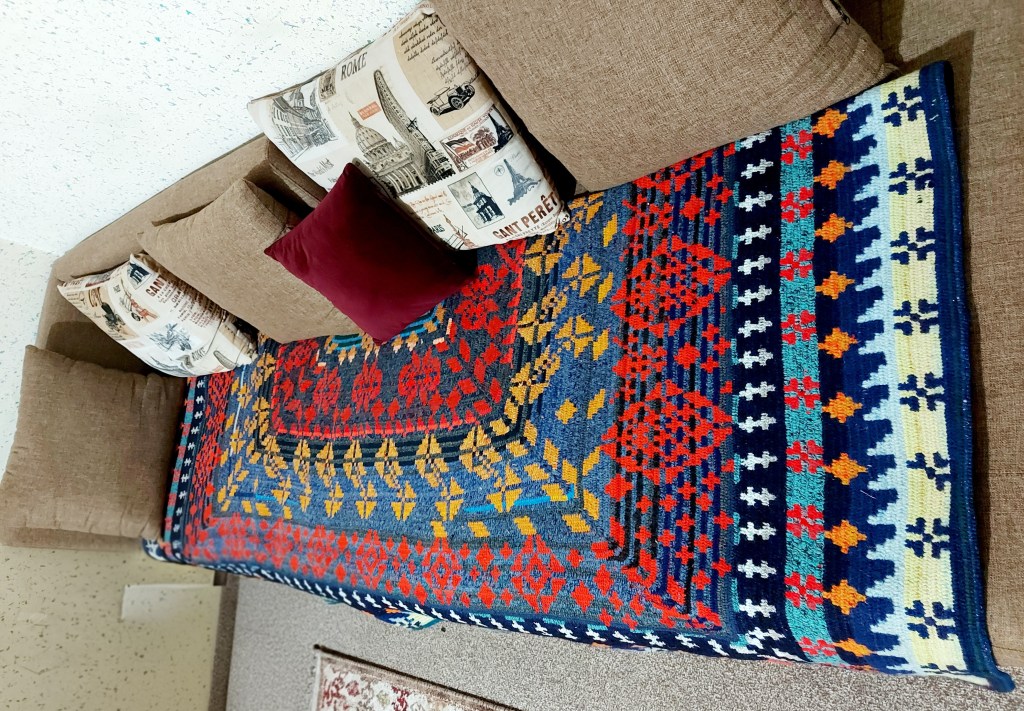
Threads in the Labyrinth: Leadership, Legacy, and the Woven Indigenous Wisdom
A handwoven rug becomes more than an heirloom—it becomes a provocation. In this reflection, I explore how educational leadership, like handweaving, emerges from local memory, embodied wisdom, and refusal to forget. It is time to move beyond borrowed frameworks and honour the knowledge we carry in our bones.

