
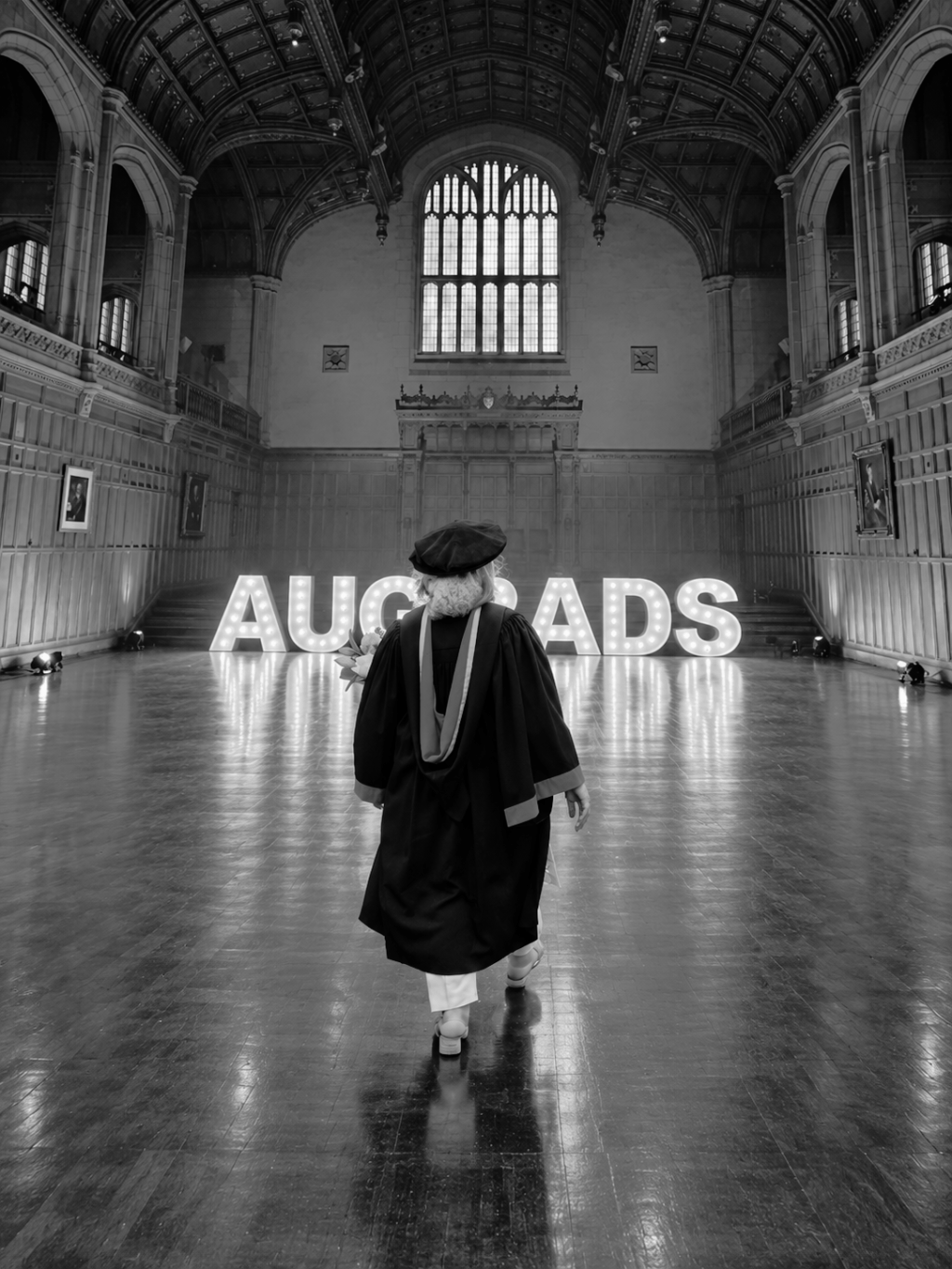
So, today marks six years of your departure from this world, but never from our lives. You are part of our lives, and in everything we do. As your firstborn and as your only daughter, I honour you every day and today I do not want to remember you through one story, but many glimpses which together make a mosaic.
Small scenes scattered across a lifetime that seemed ordinary everyday instances when we were living them, but which have acquired different meanings now that I can only return to them through memory.
I see you, Abbu G, carrying me in your arms through a heavy downpour. One arm held me, the other somehow managed my schoolbag and the umbrella, while you carefully stepped through pools of rushing rainwater to get me to school.
A neighbour called out that he had kept his children home. Why go through all that trouble? “Our children have not got to do PhDs,” he said.
And you replied, almost light-heartedly, that perhaps his children would not, but yours would.
I did not know then what a PhD was.
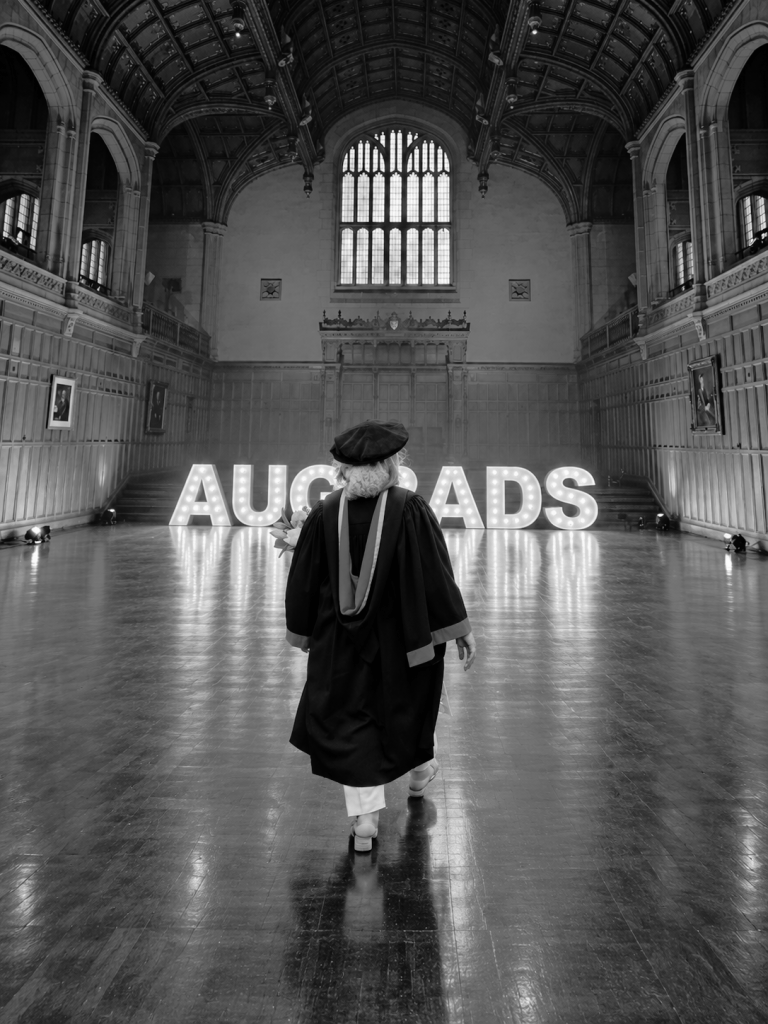
After walking across a stage decades later to receive my doctorate, that memory became something else entirely.
I wonder now what you saw that day that I could not.
I see you sitting beside me, helping me fill out university admission forms.
Then job applications.
My first ones.
I would prepare an application, and you would take it with you and make sure it reached wherever it needed to go. When I sat my first employment test and interview in my first ever teaching job, you came to collect me afterwards. The principal met you and jokingly refused to believe you were my father. You looked too young, she said.
It became one of those small family stories we carried with us.
Later, I see you walking with me towards the Federal Public Service Commission for recruitment tests and interviews for the public sector jobs.
Again and again, there you were.
Not taking the steps for me, but somehow making those steps easier to take.
Then I see our front door opening.
You walk in with your familiar smile, an envelope in your hand.
By then, I had a little daughter of my own. It was you who had encouraged me to apply for that post of vice principal, which I doubted will ever be successful. When I worried about leaving my infant with Mama while I prepared for the examination, you reassured me that she would be cared for and that I should concentrate on what I needed to do.
That afternoon, you returned carrying an envelope from the Federal Public Service Commission.
I came to the door to greet you, as we always did. You had made it something of a family tradition that when you came home, we came to meet you at the entrance.
You were smiling—almost mischievously.
“So,” I asked, “is it the red one or the green one?”
In our little shorthand, red meant regret. Green meant good news.
You would not tell me immediately. You made me guess.
Then your smile widened.
“It is green,” you said, almost teasingly, “Now you are the vice principal, but don’t you think you have become an officer”
Even today, I can see your face.
Often achievements remain inseparable from the faces of those who first celebrated them with us.
When I took charge of an independent school, I quickly discovered that academic qualifications did not teach everything one needed to know about office and HR administration. There were hardly enough induction programmes.
I remember bringing official correspondence to you, unsure how to respond.
You teased me.
So, a master’s degree in English, literature and linguistics was still not sufficient to master “Secretariat English”?
Then you showed me. How an official letter was framed. How a response should be structured. How government correspondence worked.
You gave me the ESTA Code, Secretariat Instructions and the books and resources you knew a young officer would need.
Long before mentoring became a fashionable word in professional life, you were quietly doing it.
I remember in the first year of that posting, in challenging circumstances and the complexities of context, the weight of principalship felt almost physical. I told you that my shoulders actually hurt from the responsibility.
You listened. And then, as you so often did, you reduced what seemed overwhelmingly complicated to a few principles.
Know the rules. Be resourceful
Be fair. And still more, be honest.
And be absolutely clear about what belongs to you and what does not.
What you earn, you told me, must be halal—lawfully and ethically earned. Never use a position to exploit another person.
If those foundations were clear, I could make decisions without fear.
You passed on that wisdom, which was much more important than instructions.
You gave me an ethical compass.
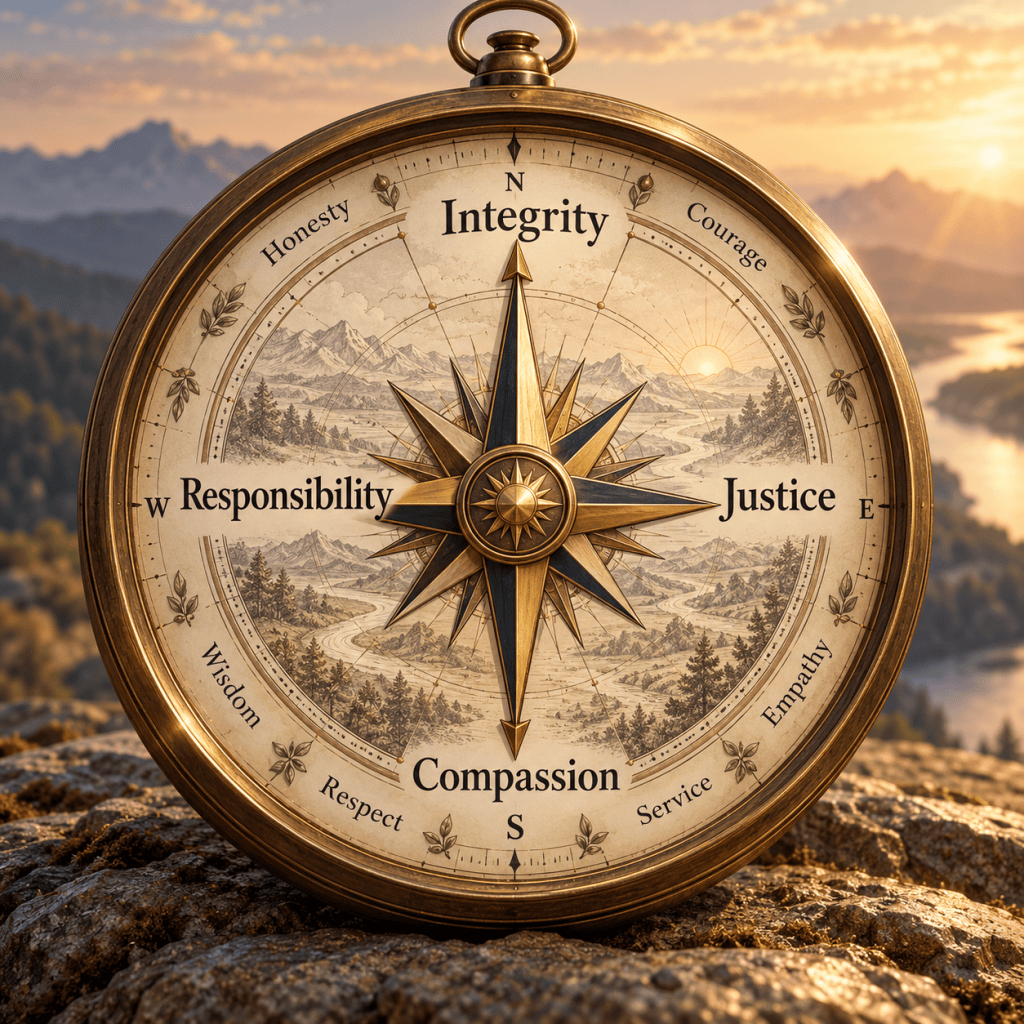
Now that I look back, your most enduring lessons were not about correspondence, HR management or rules.
When I moved into the Directorate, and the responsibilities became larger, you told me something I have carried into every position of authority since.
“When you sit in that office,” you said, “remember that you are a custodian of the state.”
Nothing done through my office, nothing signed by my pen, should violate that trust. Public resources were a trust; authority was a trust; the state must not suffer because of my decision.
But then you added the other half of the lesson.
Rules and policies, you reminded me, are made for people. People are not made for rules and policies.
Where the rules allowed room to help someone, I should use that room.
Protect the state, you taught me, but let whatever benefit can legitimately reach people, reach them.
At the time, perhaps I heard this simply as advice from an experienced father to his daughter.
Today, I recognise it as a philosophy of public service.
And then there is the last image.
The one I still struggle to place alongside all the others.
That morning, I drove you for the last time that morning. And before that, as I met you at the gate, holding Mama’s hand, I hugged you.
I did not know it was the last time.
Hardly forty minutes later came the call.
You had already gone to meet your Creator.
There are moments when a lifetime seems to fold into itself.
I think of the little girl you carried through rainwater to school.
And then I see the grown daughter driving her father to his destination and embracing him before he turned away.
Between those two moments lies almost an entire life.
Mine.
A life you helped shape in ways I understood then, and in many more ways I am only beginning to understand now.
You carried me first in your arms. Later, you carried applications, possibilities and sometimes the confidence I did not yet possess for myself. You taught me how to enter institutions, but also how not to surrender my conscience once inside them.
And that is the inheritance I value most.
Not the doors that opened.
Not the positions attained.
Not even the doctorate you somehow named for me before I knew what the word meant.
But the principles with which you taught me to walk through those doors.
And yet, Abbu G, there is one absence that becomes heavier with time.
I crave your advice. And for that gentle smile which spreads to your eyes.
Sometimes there are days when I find myself wondering what you would have said to me now. What would you have made of the choices before me? Which worries would you have dismissed with that familiar smile? Which ones would you have asked me to take seriously? What rule, what principle, what simple sentence would you have offered to make something complicated suddenly clear again?
Sometimes I conduct those conversations with you in my head.
I ask the question. And then I wait. And I try to step in your shoes to think what you might have said.
This is one of the strange forms grief takes: we continue seeking counsel from those whose voices we can no longer hear, because their ways of thinking have become so deeply embedded in us that even absence does not entirely silence them.
Today, Abbu G, I see you.
In every reminder that authority is a trust, that people matter, that integrity matters, and that what reaches my hands must remain halal—lawfully and ethically earned.
A part of me remains suspended somewhere between your arms carrying me to school and mine embracing you for the last time.
Forever your daughter.
Forever carrying what you gave me.
And forever wondering what you would have said next.
May Allah grant you the highest place in Jannah, and may He give me the wisdom and courage to remain among the right people, to walk the right path, and to honour through my life the footsteps you left behind.


Leave a Reply